When And Where Did Scouting Organizations Began
The origins of scouting organizations began in the 1950s when Robert Baden-Powell, a British army officer, held the first Scout camp on Brownsea Island in England. Scouting organizations began where UK. This camp was attended by 20 boys and helped to launch an international movement of Scouting that now reaches into almost every corner of the world. The purpose of these groups is to promote activities that help young people to develop their physical, mental and spiritual potential. This includes teaching them values such as respect, honesty and responsibility, while also providing them with an opportunity to explore the outdoors and gain knowledge of important life skills. Scouting organizations now have millions of members all over the world, helping to foster a sense of community and belonging amongst young people.
In addition to the original British organization, there are now numerous national Scouting associations that have been formed throughout the world. These include organizations such as Scouts Canada, Scouts Australia and the Boy Scouts of America. Each of these organizations is part of a larger umbrella organization known as the World Organization of the Scout Movement (WOSM), which helps to coordinate beliefs and activities in countries all over the world.
The ideals of Scouting have long been used to help young people become responsible, active citizens who make positive contributions to their communities. In recent years, organizations like Scouts Canada have expanded their focus beyond just outdoor activities and now offer a wide range of programs designed to help youth develop leadership and problem-solving skills. Through these efforts, Scouting continues to serve as an important resource for youth around the world.
It is clear that scouting organizations have come a long way since their humble beginnings on Brownsea Island in 1907. Today, millions of members throughout the world use the principles of Scouting to build character and serve their communities. The Scouting movement has become a global force for inspiring youth to reach their full potential and help create a better world.
Student Scouting Organizations In The Us
Student scouting organizations in the us provide students with the opportunity to develop their skills and knowledge in a variety of areas. These organizations are designed to give students access to resources and activities that will allow them to learn leadership, teamwork, problem solving, critical thinking, communication, creativity and more through outdoor adventures such as camping, hiking and other activities. The experiences that these organizations provide can help students to become more confident, self-reliant and independent. Students can also gain important insights into the natural world and develop a deeper understanding of the environment around them. By joining a student scouting organization, young people have access to experienced leaders who can help guide them in their development and provide support when needed.
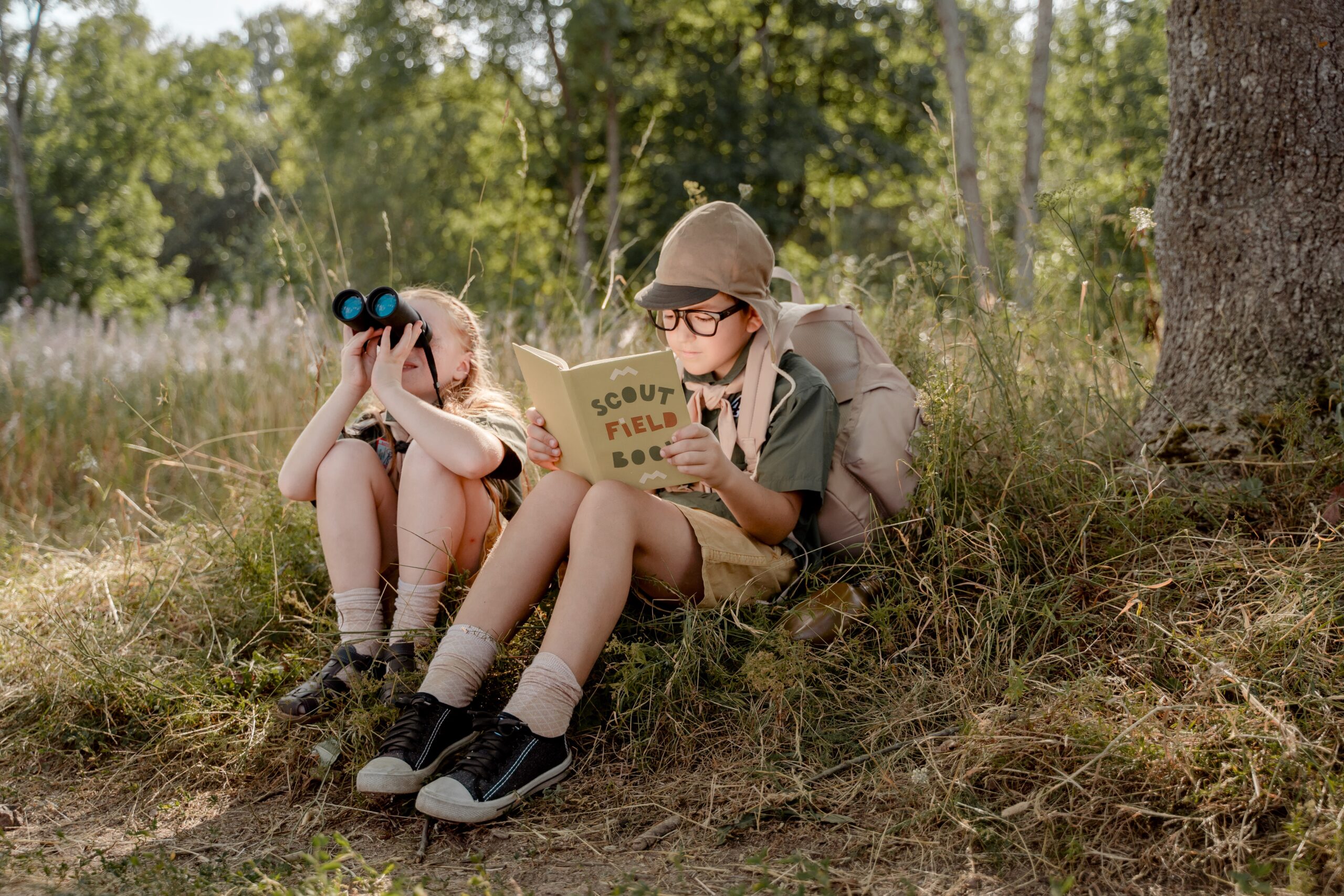
This type of guidance is invaluable in fostering the growth and development of future leaders. Student scouting organizations can provide students with the opportunity to explore their potential, gain valuable life skills, build confidence in themselves and develop meaningful relationships with peers. The benefits of student scouting organizations are far-reaching and long lasting, making them an ideal choice for students looking to expand their horizons.
Student american scouting organizations also help students to become responsible citizens by teaching them the value of service and the importance of contributing to their communities. Volunteering with a student scouting organization is an excellent way for young people to give back to their community, while developing skills such as teamwork and communication. Through activities like tree planting, river clean-ups, trail building and more, students can learn to lead and work with others while preserving the environment. Student scouting organizations also promote a sense of stewardship, helping young people understand their responsibility to take care of the land around them. Ultimately, these organizations create an opportunity for students to make a positive impact on their communities and world, instilling important values that will stay with them for years to come.
Student scouting organizations can also be a great way to make new friends and develop social networks. By participating in activities with their peers, students have the chance to form relationships with people who share similar interests and values. Student scouting organizations provide a safe environment where young people can explore new ideas and develop lifelong friendships. The mentorship that these organizations provide is invaluable in helping students to foster positive relationships with their peers. Ultimately, student scouting organizations are a great way for young people to learn important life skills, make meaningful connections and have an impact on the world around them.
By joining a student scouting organization, young people have the opportunity to discover their potential, build confidence in themselves and make a meaningful difference. With experienced leaders leading the way, students can learn valuable skills such as leadership, communication and problem solving while creating a brighter future for themselves and world. From camping trips to service projects, student scouting organizations are an excellent way for young people to explore their potential and make a positive impact on their communities.
Other Scouting Organizations
Other scouting organizations, such as the Girl Scouts of America, have been around for more than 100 years. Over that time, they have become an integral part of American culture, providing young people with educational programs and opportunities to explore the outdoors.
The Boy Scouts of America was founded in 1910 by Chief Scout Executive James E. West and is one of the most well-known scouting organizations in the world. It has grown to include more than 2 million youth members and adult volunteers, who operate in nearly every state and many countries around the globe. The BSA provides a variety of fun activities for scouts, such as camping trips, merit badge classes, and community service projects. In addition, the BSA emphasizes the importance of developing a sense of duty, respect for others, and leadership skills.
Other scouting organizations include the Girl Scouts of the USA, Campfire USA, and Learning for Life. Each organization has its own unique objectives, activities, and methods for achieving them. The Girl Scouts focuses on developing leadership skills among young women while Campfire USA works on building confidence and character in young people. Learning for Life is a youth development program that provides training and activities to help students develop skills such as teamwork, communication, and problem-solving.
No matter which scouting organization you choose, they all have the same goal: to help young people become better citizens of their communities and the world. Through their activities, programs, and values, these organizations have been instrumental in shaping the lives of millions of young people. By becoming involved with a scouting organization, you can help create the leaders of tomorrow.
More information about each of these scouting organizations can be found on their respective websites. Visit them today to learn more about how you can help shape the future of our youth. Good luck and happy scouting!
How To Become A Scout
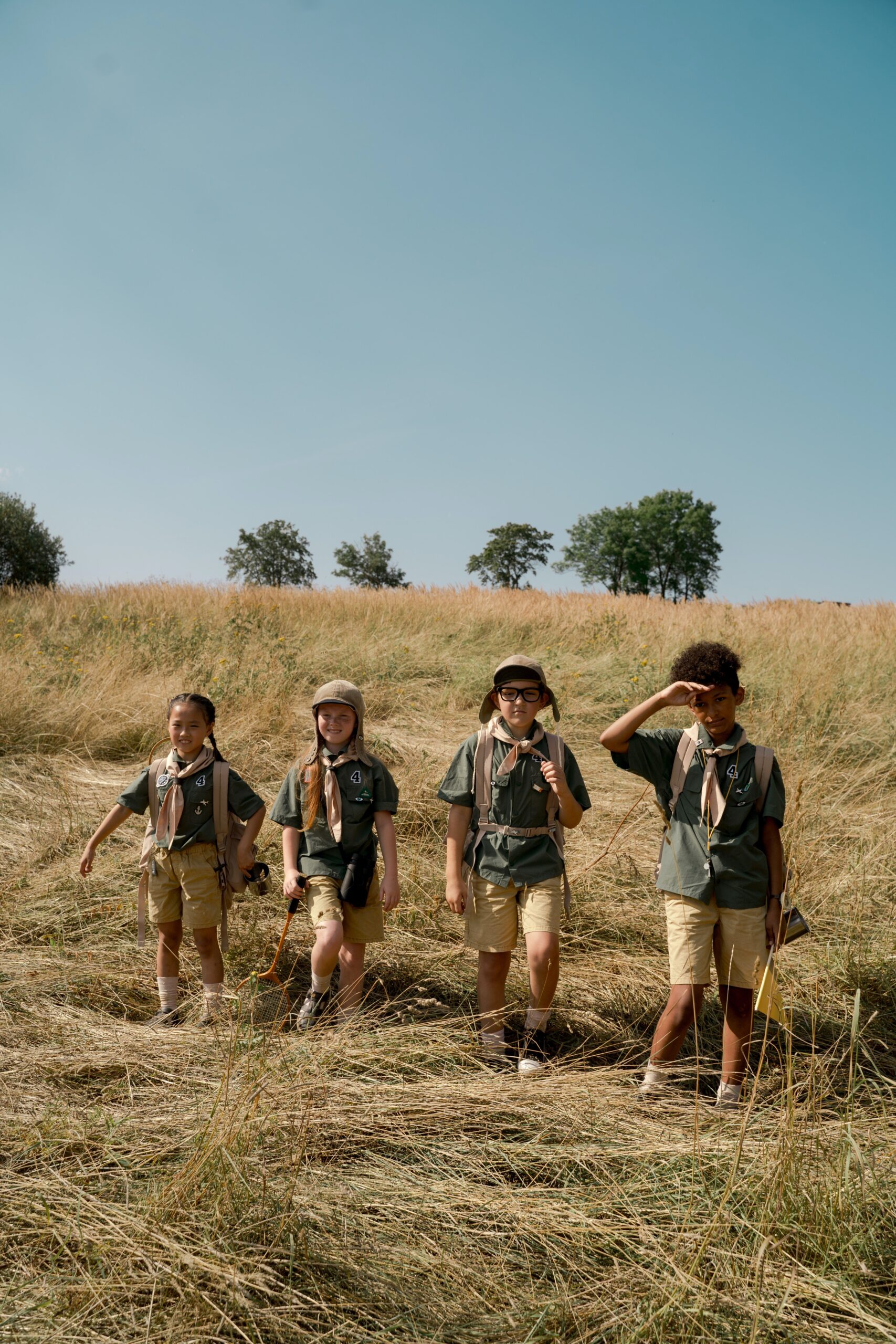
Joining the Scouts is a great way to learn new skills, make lifelong friends, and have lots of fun. Becoming a Scout can be as easy as signing up online or attending an introductory meeting at your local troop.
To join the Scouts, you must be between the ages of 6 and 18. Depending
on your age and location, you may be able to join Cub Scouts (ages
6-10), Boy Scouts (ages 11-17), or Venturing/Sea Scouts (ages 14-20).
You'll also need a parent or guardian's signature and the appropriate
application form.
Once you've decided which program to join,
contact your local troop leader and get an application. Fill out the
necessary paperwork and make sure to include an annual membership fee or
any other fees required by your local troop.
After submitting
your application, you'll need to attend a few meetings with the troop
leader and other Scouts in order to be accepted into the program. This
is a great time for you to learn about the Scouts, ask questions, and
get to know the group.
Once you've been accepted into the
program, you'll need to purchase a uniform and any additional gear. You
may also be required to attend an overnight or weekend camp with your
troop in order to complete certain activities or rank advancements.
Scouts
can earn badges and recognition for completing specific tasks or
activities, so make sure you take advantage of any opportunities to
learn and grow with the Scouts. With hard work and dedication, you can
become a valuable member of your local troop!
Joining the Scouts
is an exciting adventure that will help shape you both mentally and
physically. Get started today by contacting your local troop and signing
up!
Why Students Want And Don't Want To Be Scouts
Students are often drawn to the idea of being scouts because of its many benefits. Scouts learn important life skills, foster leadership qualities, gain confidence in themselves, and develop strong relationships with peers. Scouting also provides a great opportunity for students to enjoy outdoor activities such as hiking and camping. Furthermore, scouting teaches responsibility, organization and problem-solving skills, which are valuable skills in the workplace.
On the other hand, there are some downsides to being a scout that can make it unappealing to students. Scouting requires an investment of time and money, as members must attend weekly meetings and purchase uniforms. Scouts are also expected to follow strict rules and regulations and adhere to the code of conduct and values set forth by their organization. Additionally, scouting may take up time and energy that could otherwise be devoted to activities such as sports or other extracurricular pursuits.
Ultimately, the decision to become a scout is a personal choice for each student and should not be taken lightly. Scouting provides many unique benefits, but it is important for students to weigh the pros and cons before committing to a program. With careful consideration, scouting can be an extremely rewarding venture for any student who is willing to take on the challenge.